
Group coaching is transforming the way professionals and aspiring experts develop their skills, share knowledge, and achieve their goals. By combining the structure of traditional coaching with the dynamic interaction of a group setting, it offers a unique platform for collaborative growth. In this comprehensive guide from Knowledge Business, we explore the essence of group coaching — what it is, its benefits, and how it can be a catalyst for launching, growing, and scaling your expertise in today's competitive landscape.
Group coaching is a collaborative learning process where a coach facilitates a group of individuals working towards shared goals. It involves structured sessions where participants engage in discussions, share experiences, and support each other under the guidance of a coach. Group coaching differs from individual coaching and other group activities in several ways:
Collaborative Learning: Unlike individual coaching, which focuses on one-on-one interactions, group coaching leverages the collective knowledge and experiences of all participants.
Shared Goals: Participants typically work towards common objectives, such as improving leadership skills, achieving work-life balance, or enhancing personal growth.
Support Systems: Group coaching provides a built-in support system, where participants motivate and hold each other accountable.
Sessions are typically held regularly, such as weekly or biweekly, and can occur in-person or online. The duration of each session can vary but usually lasts between 60 to 90 minutes. The coach's role is to facilitate the discussion, provide guidance, and ensure that the group stays focused on their goals.
Group coaching offers several advantages that can enhance the coaching experience:
One of the most significant benefits of group coaching is the opportunity for participants to learn from each other's experiences. Sharing successes, challenges, and strategies can provide valuable insights and new perspectives that might not emerge in individual coaching sessions. For example, a participant might share a unique approach to problem-solving that others can adopt in their own lives.
If you're looking to develop your coaching skills and learn how to create dynamic group interactions, check out our article on Unlocking Your Coaching Potential with These 6 Transformative Techniques. It offers hands-on advice that can immediately enhance your coaching delivery.
Group coaching fosters a sense of community and peer support. Participants can offer encouragement, share resources, and provide feedback, creating a collaborative environment. The diversity of the group also brings varied perspectives, which can lead to more creative problem-solving and innovation. Different backgrounds, experiences, and viewpoints can spark new ideas and approaches.
Group coaching is often more cost-effective than individual coaching. Coaches can distribute their time and resources across multiple clients, reducing the cost per participant. This makes coaching accessible to a broader audience, including those who may not afford individual sessions. For instance, a corporate coach might offer group coaching sessions to employees at a fraction of the cost of one-on-one coaching.
The accountability inherent in group coaching can accelerate progress. Knowing that others are working towards similar goals and will check in on progress can motivate participants to stay committed and take consistent action. This collective accountability helps ensure that everyone stays on track and achieves their objectives.
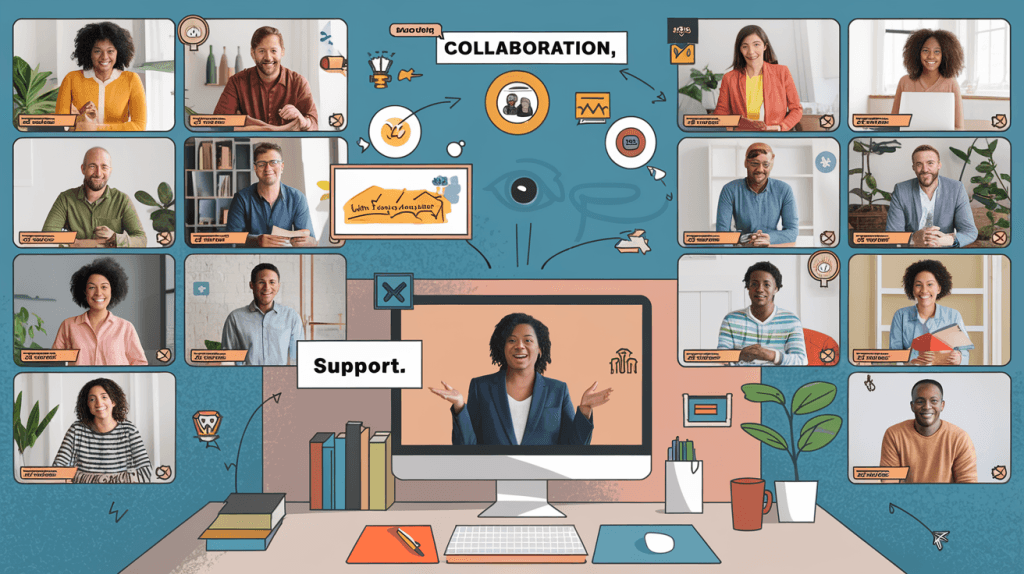
We've seen that group coaching can be very effective for both the coach and the students. But to ensure maximum success for your group coaching program, you have to have several key elements in place:
Setting clear, achievable objectives is crucial for group coaching. These goals guide the sessions and provide a focus for participants. Objectives should be specific, measurable, achievable, relevant, and time-bound (SMART). For example, a group of professionals might set a goal to enhance their leadership skills within six months by completing specific activities and exercises.
Structured sessions help maintain focus and ensure that each meeting is productive. A typical session might include a check-in, a discussion topic, activities or exercises, and a reflection period. Having a clear agenda helps manage time effectively and keeps participants engaged. Coaches can use various tools and techniques to keep sessions dynamic and interactive, such as role-playing, group discussions, and problem-solving activities.
Active participation from all members is essential for group coaching to be effective. The coach should encourage everyone to contribute, share their experiences, and support each other. Creating an inclusive environment where everyone feels comfortable speaking up is key. Techniques such as open-ended questions, breakout sessions, and round-robin sharing can promote active involvement.
A supportive environment is critical for group coaching. The coach must foster a safe space where participants feel respected and valued. Ground rules for confidentiality, respect, and constructive feedback can help establish this environment. Regularly reinforcing these principles ensures that the group remains a positive and supportive space for all members.
The coach plays a vital role in managing group dynamics and fostering engagement. They must be skilled in facilitating discussions, managing conflicts, and ensuring that the group stays on track toward its goals. The coach also provides expert guidance, resources, and feedback to help participants progress. Effective coaches balance guiding the group with allowing members to take ownership of their learning and development.
Group coaching has been successfully applied in various industries and contexts. Here are a few examples you can model as a coach:
In corporate settings, group coaching is often used for leadership development. Groups of emerging leaders might work together to enhance their leadership skills, share experiences from their respective roles, and support each other’s growth. For instance, a tech company might create a group coaching program for new managers to develop their leadership capabilities and navigate common challenges.
Group coaching is also effective in health and wellness contexts. For instance, when you gather a group of individuals looking to adopt healthier lifestyles, you can really help them benefit from shared experiences, mutual support, and collective accountability. As a wellness coach you might facilitate a group focused on nutrition and exercise, where participants share their progress, discuss challenges, and support each other's health goals.
Entrepreneurs can benefit from group coaching by learning from each other's business challenges and successes. A group of startup founders, for example, might work together to refine their business strategies, pitch ideas, and navigate the complexities of entrepreneurship. This collaborative environment can foster innovation and provide valuable networking opportunities.
Group coaching is valuable for individuals going through career transitions. Participants can share job search strategies, networking tips, and support each other in navigating the uncertainties of changing careers. A career coach might facilitate a group for professionals transitioning to new industries, helping them develop new skills and build confidence in their job search.
If you're launching your first program, our Step-by-Step Coaching Marketing Strategy can help you attract the right people, build anticipation, and fill your seats.
Group coaching is a powerful, scalable way to deliver transformation. It encourages collaboration, builds momentum, and helps clients reach their goals faster. Whether you’re joining a program or launching your own, understanding the elements of successful group coaching is the first step to making it work for you.
To take that understanding and turn it into a thriving group coaching business with a complete ecosystem of education, cutting-edge tools, AI assistance, and a clear roadmap, many successful coaches join MBS. Created by Tony Robbins and Dean Graziosi, this program is designed to empower you to build, launch, and scale impactful group coaching programs and other knowledge-based offerings.
Want more strategies, guides, and ideas to grow your coaching business? Subscribe to our newsletter and get fresh content, practical tools, and expert tips delivered straight to your inbox.